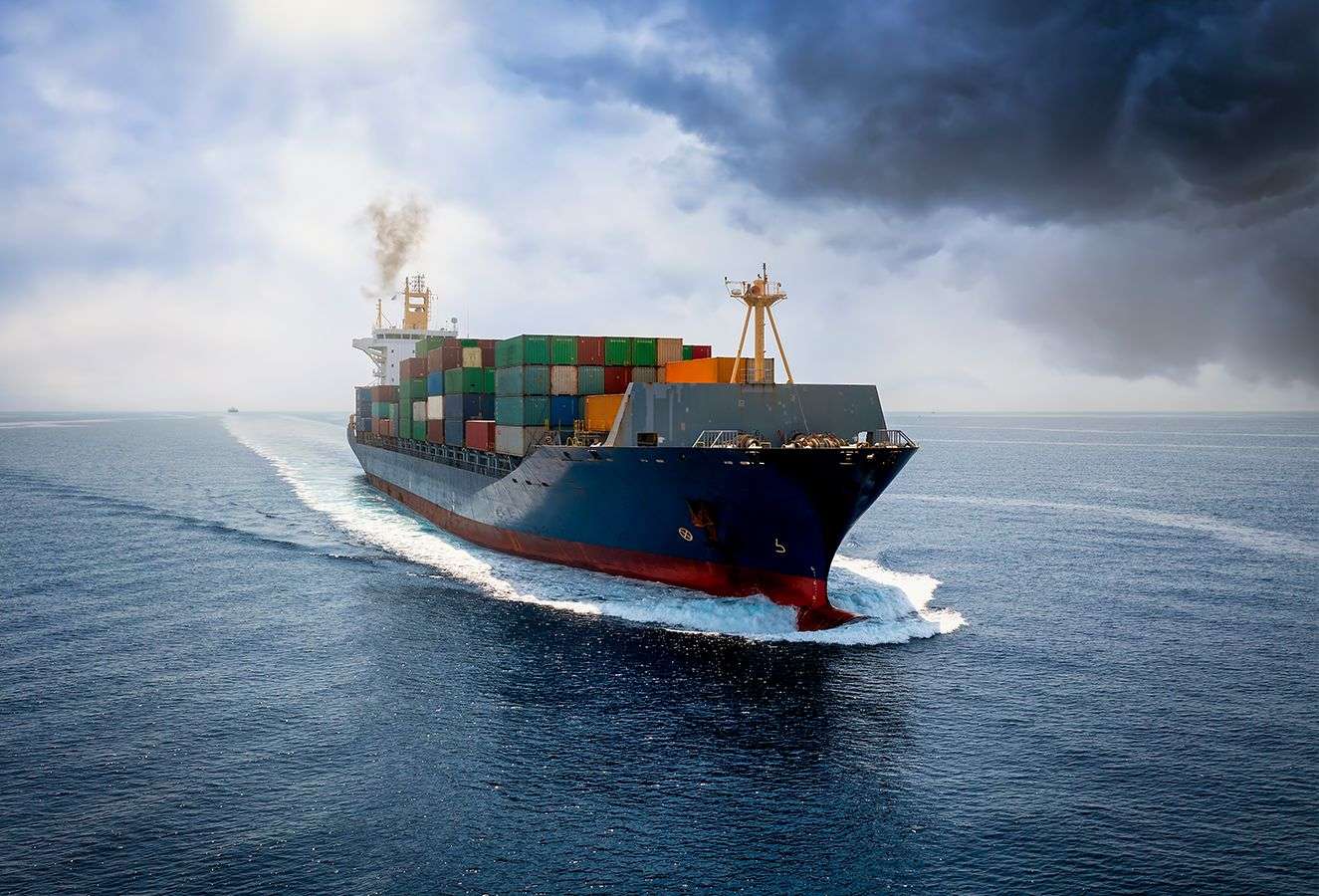
Ocean Freight and Global Logistics
Cargo transportation plays a vital role in connecting global markets, enabling goods to move seamlessly between countries and continents.
From ports to warehouses, every step ensures efficiency and reliability. The shipping industry supports businesses of all sizes by providing scalable and dependable transport solutions.Modern logistics depend on
advanced planning and real-time coordination. Companies must balance cost, speed, and safety while navigating international regulations and operational challenges.
Shipping is not just movement—it’s
a system of precision and trust.- Global Routes – Understand how shipping lanes connect continents.
- Freight Types – Learn about containerized and bulk cargo.
- Port Operations – Explore how goods are handled at terminals.
- Timing Strategies – Optimize delivery schedules.
- Cost Efficiency – Manage transportation expenses effectively.
- Trade Networks – Support international commerce.
Freight coordination
Efficient logistics rely on
structured coordination across multiple channels. From loading cargo to final delivery, each stage must be carefully managed to avoid delays.
- Scheduling – Plan shipments effectively.
- Handling – Protect goods during transport.
- Documentation – Ensure compliance with regulations.
- Tracking – Monitor shipments continuously.
- Delivery – Complete the final stage efficiently.
Real-world shipping
Cargo shipping requires
flexibility and adaptability. External factors such as weather and demand shifts influence operations daily.
- Adapt Fast – Respond to disruptions.
- Stay Efficient – Maintain performance.
- Protect Cargo – Ensure safety.
- Improve Systems – Optimize workflows.
- Scale Operations – Grow with demand.
Conclusion
Cargo shipping drives global economies by
connecting supply chains and enabling trade. Companies that invest in innovation and efficiency gain a competitive advantage.