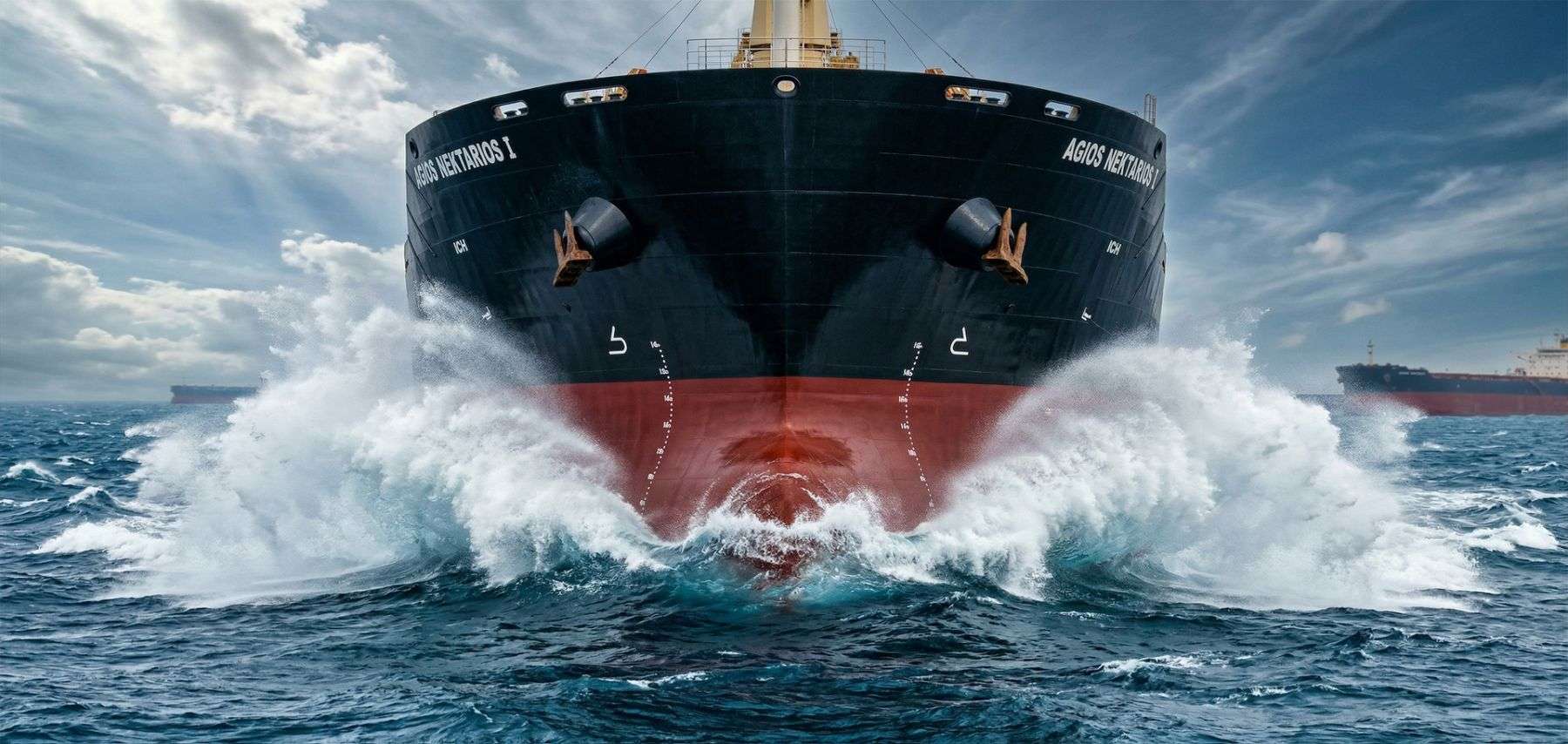
Modern Shipping and Freight Solutions
Modern shipping solutions play a critical role in connecting global markets, ensuring goods are transported efficiently across regions and continents. From large cargo vessels to specialized freight systems,
the industry enables businesses to operate on a global scale. Every shipment is part of a carefully managed logistics chain that ensures timely and secure delivery.Today’s cargo operations rely on
technology, coordination, and strategic planning. Shipping providers must handle complex routes, customs processes, and operational challenges while maintaining efficiency.
Whether transporting raw materials or finished goods, shipping systems are essential to global supply chains.It is not only about transportation—it is about
consistency, visibility, and performance. Reliable logistics systems ensure cargo is tracked, protected, and delivered with precision.
- Understand Shipping Systems – Learn how freight moves globally.
- Explore Logistics Processes – Discover end-to-end coordination.
- Compare Transport Methods – Sea, air, and land solutions.
- Improve Efficiency – Optimize delivery timelines.
- Manage Costs – Control operational expenses.
- Support Trade – Enable global business.
Shipping operations and logistics
Efficient cargo transport depends on
structured logistics and precise coordination. Each shipment moves through stages such as loading, transportation, customs clearance, and final delivery.
Companies must ensure every step is optimized to maintain efficiency and reduce delays.Strong logistics systems also provide
clear communication between stakeholders. With modern tracking tools, shipments can be monitored in real time, improving transparency and reliability.
- Route Planning – Optimize transport paths.
- Cargo Handling – Ensure safe operations.
- Customs Clearance – Manage regulations.
- Tracking Systems – Monitor shipments.
- Delivery Coordination – Complete final transport.
Cargo shipping in practice
In real-world conditions, shipping requires
adaptability and fast decision-making. External factors such as weather and demand shifts can affect timelines.
Shipping providers must remain flexible to maintain consistent performance.From ocean transport to last-mile delivery,
each stage contributes to a unified system. Efficient operations ensure goods are delivered safely and on time.
- Handle Real Challenges – Adapt to disruptions.
- Optimize Routes – Improve delivery times.
- Ensure Safety – Protect cargo.
- Maintain Efficiency – Streamline workflows.
- Improve Continuously – Use performance data.
Final thoughts
Cargo shipping is a
fundamental system that supports global trade and growth. By combining logistics expertise, technology, and planning,
companies can deliver goods efficiently worldwide.As the industry evolves, innovation and optimization will remain key. Businesses that invest in
modern shipping strategies can improve performance and remain competitive.Ultimately, successful shipping depends on
coordination, reliability, and continuous improvement.